Devilry in Islam

B53BA356-857F-48E9-A763-5F9DC2600735‘Devilry’ in Islam includes ‘black magic’ and jinn (demonic) possession. Both are serious issues for Muslims. The common advice out there is to use ‘Ruqya’ (see my blog on this topic) as a cure. However, the evidence says different.


In terms of black magic, there is the following hadith:

Narrated `Aisha,

Magic was worked on Allah’s Messenger (ﷺ) so that he began to imagine that he had done something although he had not. One day while he was with me, he invoked Allah and invoked for a long period and then said, “O `Aisha! Do you know that Allah has instructed me regarding the matter I asked Him about?” I asked, “What is that, O Allah’s Messenger (ﷺ)?” He said, “Two men came to me; one of them sat near my head and the other sat near my feet. One of them asked his companion, ‘What is the disease of this man?’ The other replied, ‘He is under the effect of magic.’ The first one asked, ‘Who has worked magic on him?” The other replied, ‘Labid bin A’sam, a Jew from the tribe of Bani Zuraiq.’ The (first one asked), ‘With what has it been done?’ The other replied, ‘With a a comb and the hair stuck to it and a skin of the pollen of a date palm tree.’ The first one asked, ‘Where is it?’ The other replied, ‘In the well of Dharwan.’ Then the Prophet (ﷺ) went along with some of his companions to that well and looked at that and there were date palms near to it. Then he returned to me and said, ‘By Allah the water of that well was (red) like the infusion of Henna leaves and its date-palms were like the heads of devils” I said, O Allah’s Messenger (ﷺ)! Did you take those materials out of the pollen skin?” He said, ‘No! As for me Allah has healed me and cured me and I was afraid that (by showing that to the people) I would spread evil among them when he ordered that the well be filled up with earth, and it was filled up with earth.”

Bukhari


The hadith is clear. The Prophet simply ‘invoked’ or asked Allah for a cure/help. Asking Allah for help means then being patient and patience is never easy. People by nature, feel better being in control, being able to do something physically, which is why people resort to ‘ruqya processes’ (see my blog on this) despite there being no evidence for this.


Based upon this evidence we should ask Allah and then wait. It may be a very long wait but that is what faith is and why Allah tells us to ask for help with patience, in Surah Al Baqarah, verse 45,


وَاسْتَعِينُواْ بِالصَّبْرِ وَالصَّلَوةِ وَإِنَّهَا لَكَبِيرَةٌ إِلاَّ عَلَى الْخَـشِعِينَ –


And seek help in patience and As-Salat (the prayer) and truly, it is extremely heavy and hard except for Al-Khashi`in (those who lower/humble themselves).


There is also this related hadith:


حَدَّثَنَا إِسْحَاقُ بْنُ مَنْصُورٍ، أَخْبَرَنَا أَبُو أُسَامَةَ، حَدَّثَنَا هَاشِمُ بْنُ هَاشِمٍ، قَالَ سَمِعْتُ عَامِرَ بْنَ سَعْدٍ، سَمِعْتُ سَعْدًا ـ رضى الله عنه ـ يَقُولُ سَمِعْتُ رَسُولَ اللَّهِ صلى الله عليه وسلم يَقُولُ ” مَنْ تَصَبَّحَ سَبْعَ تَمَرَاتٍ عَجْوَةً، لَمْ يَضُرُّهُ ذَلِكَ الْيَوْمَ سَمٌّ وَلاَ سِحْرٌ “.


Narrated Saud:
I heard Allah’s Messenger (ﷺ) saying, “If somebody takes seven ‘Ajwa dates in the morning, neither magic nor poison will hurt him that day.”

Bukhari


Eating dates is beneficial in a number of ways and you can easily look this up if you would like to know more. However, according to this hadith, adopting this practice is prior to being afflicted so is a preventative measure as opposed to a cure.


Nevertheless, we want a quick fix. ‘Magic words’ (usually taken from the Quran!) to rid us of the problem. This is not faith. It is superstition. Obviously, there is no room for this in Islam and furthermore, this practice betrays the very cornerstone of the religion. The belief in One God and the belief in His abilities as the only One who can cure.


Interestingly, in our current time, the list of ailments is endless. Anything – from a chronic illness to a marriage falling apart is put down to magic. Magic becomes an easy scapegoat and the pendulum of control swings in the opposite direction so all accountability or responsibility for action is relinquished.


Now, in terms of jinn (demonic) possession, this example is related by Ya’la ibn Murah:

I saw Allah’s Messenger (peace be upon him) do three things which no one before or after me saw. I went with him on a trip. On the way, we passed by a woman sitting at the roadside with a young boy. She called out, ‘O Messenger of Allah, this boy is afflicted with a trial, and from him we have also been afflicted with a trial. I don’t know how many times per day he is seized by fits.’ He (peace be upon him) said: ‘Give him to me.’ So she lifted him up to the Prophet.
He (peace be upon him) then placed the boy between himself and the middle of the saddle, opened the boy’s mouth and blew in it three times, saying, ‘In the name of Allah, I am the slave of Allah, get out, enemy of Allah!’ Then he gave the boy back to her and said: ‘Meet us on our return at this same place and inform us how he has fared.’ We then went. On our return, we found her in the same place with three sheep. When he said to her, ‘How has your son fared?’ She replied: ‘By the One who sent you with the truth, we have not detected anything (unusual) in his behaviour up to this time… (Musnad Ahmad (vol: 4, p. 170), and al-Haakim, who declared it authentic)


There is absolutely no evidence stating ‘Ruqya’ (often MISINTERPRETED as ‘reciting any part of the Quran’ – See my blog on Ruqya) should be done. The Prophet’s example is the best one and the Hadith clearly shows he asked the jinn to leave. Again, it is a case of asking and waiting. The waiting may be for the rest of our lives but that is the true essence of faith.


Many a ‘scholar’ will advise the usage of Ayat-ul-Kursi. This is based upon the Hadith narrated by Abu Huraira: Allah’s Apostle ordered me to guard the Zakat revenue of Ramadan. Then somebody came to me and started stealing of the foodstuff. I caught him and said, “I will take you to Allah’s Messenger (ﷺ)!” Then Abu Huraira described the whole narration and said: That person said, “Please don’t take me to Allah’s Messenger (ﷺ) and I will tell you a few words by which Allah will benefit you. When you go to your bed, recite Ayat-al-Kursi, (2.255) for then there will be a guard from Allah who will protect you all night long, and Satan will not be able to come near you till dawn.” When the Prophet (ﷺ) heard the story he said (to me), “He (who came to you at night) told you the truth although he is a liar; and it was Satan.

Bukhari

This again, like the eating of dates mentioned above, is preventative. More importantly, it is also general and neither magic or jinn are mentioned.


Human nature is such that we want quick fixes whether it is to lose weight, to become physically fitter, or to recover from a chronic illness. Why would the issues of black magic and jinn possession be any different?


Religion, time and time again, asks for us to go against our nature. To do good even though our souls may lean towards evil, to fast when our bodies want food, to wake up at night, and pray while others sleep and so on. This is the same. Go against your nature and realise there is no quick fix. Ask and then wait. It will not be easy but no one ever said faith was.

ISLAM. Religion of peace?

26751977-9F91-491A-A124-DC1A1A401B02Many a Muslim in the Western world, will claim Muslims are a peaceful people. This is based upon their translation of the Arabic word ‘Islam’ as ‘peace’. Others (Muslims and non Muslims alike) may find this idea of Islam as a religion of peace paradoxical. They see the contradiction in the wars and battles mentioned in Islamic history.

 

Understandably, this causes people to progressively lose trust in what Muslims are saying.
I wanted to take a closer look at the definition of the term ‘Islam’. As usual, I looked to the Quran first.


The Quran does call the path/religion to be followed ‘Islam’.


For example, in 5:3,

الْيَوْمَ أَكْمَلْتُ لَكُمْ دِينَكُمْ وَأَتْمَمْتُ عَلَيْكُمْ نِعْمَتِى وَرَضِيتُ لَكُمُ الأِسْلاَمَ دِيناً

This day, I have perfected your religion for you, completed My favour upon you, and have chosen for you Islam as your religion


So, on to what ‘Islam’ actually means according to divine scripture. A little knowledge of the Arabic language and one sees that the word ‘Islam’ is a noun derived from the verb ‘aslama’ which means ‘to submit’. I found a number of verses containing ‘aslama’. I have given you three here.


إِذْ قَالَ لَهُ رَبُّهُ أَسْلِمْ قَالَ أَسْلَمْتُ لِرَبِّ الْعَـلَمِينَ

When his Lord said to him, “Submit!” He said, “I have submitted myself to the Lord of the `Alamin (mankind, Jinn and all that exists).”)

Al Baqarah, verse 131.


أَفَغَيْرَ دِينِ اللَّهِ يَبْغُونَ وَلَهُ أَسْلَمَ مَن فِى السَّمَـوَتِ وَالاٌّرْضِ طَوْعًا وَكَرْهًا وَإِلَيْهِ يُرْجَعُونَ

Do they seek other than the religion of Allah, while to Him submitted all creatures in the heavens and the earth, willingly or unwillingly. And to Him shall they all be returned.

Al Imran, verse 83


وَلِكُلِّ أُمَّةٍ جَعَلْنَا مَنسَكًا لِّيَذْكُرُواْ اسْمَ اللَّهِ عَلَى مَا رَزَقَهُمْ مِّن بَهِيمَةِ الاٌّنْعَـمِ فَإِلَـهُكُمْ إِلَـهٌ وَحِدٌ فَلَهُ أَسْلِمُواْ وَبَشِّرِ الْمُخْبِتِينَ

And for every nation We have appointed religious ceremonies, that they may mention the Name of Allah over the beast of cattle that He has given them for food. And your God is One God, so you must submit to Him Alone. And give glad tidings to the Mukhbitin.


Surah al Hajj, 34


Subsequently, ‘Islam’ means ‘submission to God’. Not ‘peace’.

أَسلَمَ to submit (verb)
إسلامً Submission (noun)


The reason it is often defined as ‘peace’ is due to its root being confused with ‘salaam’ like in the Muslim greeting ‘assalamu alaikum’ which loosely translates as ‘peace be upon you’. As I have mentioned in an earlier post, Arabic is a very rich language with similar words sometimes conveying completely different meanings. Anyhow, the evidence that ‘Islam’ is NOT synonymous with ‘peace’ is there, as clear as day.


Furthermore, there is this clear hadith in the collection of Bukhari.


On the authority of Umar (may Allah be pleased with him), who said: One day while we were sitting with the Messenger of Allah, there appeared before us a man whose clothes were exceedingly white and whose hair was exceedingly black; no signs of journeying were to be seen on him and none of us knew him. He walked up and sat down by the Prophet (pbuh). Resting his knees against his (the Prophet’s) and placing the palms of his hands on his thighs, he said:

O Muhammed, tell me about Islam.

The Messenger of Allah (may the blessings and peace of Allah be upon him) said: Islam is to testify that there is no god but Allah and Muhammed is the Messenger of Allah, to perform the prayers, to pay the Zakah, to fast in Ramadhan, and to make the pilgrimage to the House  if you are able to do so.

(The hadith goes on but this is the part relevant here).


In the Prophet’s definition of Islam, there is absolutely no mention of ‘peace’.


Perhaps, some Muslims want to propagate a softer religion to appease the critics. I can understand that especially when we have seen acts of terror committed using the banner of religion. Yet, that doesn’t make things better.


Propagating Islam as ‘peace’, is first and foremost, not true and I believe religion must always be based upon truth. Secondly, we lose the focal point of the religion. Instead of paying attention to self improvement, the spotlight is turned away to social impact and global harmony. A top down approach, if you like. Making the religion easier because we can spend our lives looking outwards instead of looking in which would force us to work to improve our spiritual shortcomings.


Furthermore, trying to fit in by changing ourselves will never work. The parameters are constantly changing. How can you fit into something which is not concrete? In fact, it is being true Muslims and sticking to the evidence which is the best advert for the religion. A religion based upon submission to God in all that you do, demanding good from yourself and pushing away evil, displaying the best of manners and adding gentleness to your dealings with people, when a simple smile is charity, facing the world with the best version of you. Because a better you means a better world for all of us.


To fast or not to fast?

7705E6AB-C9E7-4758-BBB5-CAACC5E1D7EEWith Ramadan not too far, I thought I’d write about fasting for pregnant and breast feeding women. There are a variety of actions taken by Muslim women – some choose to fast, others don’t in Ramadan but make up the fasts later. Some pay the fidya (‘a small amount of money expiating for each fast missed’) while a minority do both (make up those fasts later and pay the fidya).

 

Why the different actions?


The answer is one word – ‘Scholars’.


The Muslim male dominated clergy have different opinions and for many a Muslim woman, the action she takes this Ramadan is determined by whose opinion she decides to follow.


The religion is clear on the matter.


We look first to the Qur’an for evidence. Surah Al Baqarah has verses 183 & 184.


يأَيُّهَا الَّذِينَ ءَامَنُواْ كُتِبَ عَلَيْكُمُ الصِّيَامُ كَمَا كُتِبَ عَلَى الَّذِينَ مِن قَبْلِكُمْ لَعَلَّكُمْ تَتَّقُونَ

أَيَّامًا مَّعْدُودَتٍ فَمَن كَانَ مِنكُم مَّرِيضًا أَوْ عَلَى سَفَرٍ فَعِدَّةٌ مِّنْ أَيَّامٍ أُخَرَ وَعَلَى الَّذِينَ يُطِيقُونَهُ فِدْيَةٌ طَعَامُ مِسْكِينٍ فَمَن تَطَوَّعَ خَيْرًا فَهُوَ خَيْرٌ لَّهُ وَأَن تَصُومُواْ خَيْرٌ لَّكُمْ إِن كُنتُمْ تَعْلَمُونَ


These translate to read – ‘ Oh you who believe, fasting is prescribed for you as it was prescribed for those before you so you may increase in Taqwa.’ (183). ‘Fast for a fixed number of days, but if any of you is ill or on a journey, the same number (should be made up) from other days. And as for those who can fast with difficulty, feed a Miskin (i.e.poor person). So whoever pays the fidya, it is good for him. And that you fast is GOOD (often translated as ‘better’) for you if only you knew.’ (184).


According to verse 184, there are 2 groups;


1. Those who are sick (i.e. Whose health has changed from well to unwell) and anyone travelling makes up the fasts after Ramadhan.


2. Those who would fast with difficulty. The word in Arabic ‘yuteequnahu’ (in bold above) means when you can ‘bear/tolerate something’. So these people could fast but it may harm them either immediately or in the longer term. This group pays the fidya (i.e. feed a poor person for every fast they have missed).


So, which group do pregnant and breastfeeding women fall into?


Some ‘scholars’ put breastfeeding and pregnant women into the first group because they claim it is a temporary condition so the fasts should be made up after Ramadan. Others claim it is the second group and if women feel fasting will harm them or their baby, they can miss the fasts and pay the fidya. The third faction err on the side of caution and state these women are in both groups mentioned in the verse and hence must make up the fasts and pay the fidya!


This is puzzling as there is a hadeeth from the Prophet (sallalahu alahi wa Salam) narrated by Anas bin Malik al Ka’abi which states, ‘Allah relieved the traveller from half of the prayer and relieved the pregnant woman and the suckling woman from fasting.’

Collected by Abu Dawud & Tirmidhi (who said its chain is hasan/good, and Sheikh Albanee authenticated it more recently giving it Saheeh status).


We also have evidence from the companions;


Ibn Abbas upon seeing seeing his servant girl who was pregnant/suckling said, ‘you do not observe the fasting, you pay the fidya, and you do not need to make up the fasts.’ (From Abu Dawud & cited by At Tabari in his tafseer).


Ibn Umar, when asked by his wife when pregnant, if it was possible not to fast, said ‘Do not fast. Feed a poor person for each day and do not make up the fasts’. (Ad Daraqutni).


These answer the question without any doubt. Breastfeeding and pregnant women belong in the second group. They do not fast but pay the fidya instead.


Now, going back to the verse above, English translations usually fail to convey the complete and beautiful meaning of the words which only come through in the original Arabic. The Lord is telling us there is good in both actions. Good for those who make up the fasts (due to temporary sickness or travel) AND for those who end up paying the fidya (and not fasting). One action is not better or of more value. So pregnant and breast feeding women need not feel they are missing out or pressure to fast.


This is the route we must travel to find the truth of our religion. Start at the beginning with the words of Our Lord, the Quran. Then, look to the example of the Prophet followed by the Companions as opposed to taking the opinions of those who base their views on the opinions of those before them!


Following ‘scholars’ leads to unnecessary hardship and harm (the research is there, if you’re interested) for pregnant and breast feeding women and for their babies. It leads to innovation for us all.


The Prophet (blessings and peace of Allah be upon him) said: “Every innovation is going astray, and every going astray will be in the Fire.” Narrated by Muslim and an-Nasaa’i.


Let us find our way back while we still can.


Muslim TOXIC families

4FCD53BB-1005-478C-ADA2-EEFE5C0B60E2Maybe you have noticed it too? The deeply rooted misconception that being Muslim somehow exempts one from mental health issues or being toxic. Mental health issues have long been taboo in the UK but the culture has been steadily changing so more people are now able to talk about suffering from anxiety, depression, eating disorders, and so on. Yet, Muslim communities still, for the most part, consider mental health as something to hide from the outside world, an inconvenient truth.

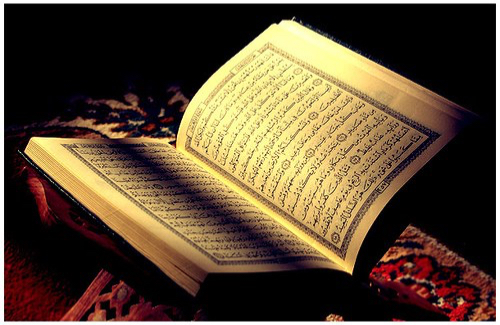

 

Furthermore, there does not seem to be much spiritual help available for Muslims dealing with toxic (destructive, malignant, harmful) families. ‘Scholars’ usually quote verses like the one (2.27) I have pasted below (as well as 13.21 and 13.25) to encourage distressed, vulnerable Muslims to uphold the ties of kinship and not distance oneself from a toxic/abusive family. They state evidence about the importance of treating parents and relatives with respect, having patience, and making du’a/invocations. In other words, they completely side step the actual problem.


The issue is not the approach of the victim or the seeker of spiritual guidance but the family itself.


To get to the reality of the situation, let us scrutinise the evidence. As mentioned above, the clergy commonly quote Surah Al Baqarah, verse 27 (underlined below) so here are verses 26 and 27.


إِنَّ اللَّهَ لاَ يَسْتَحْىِ أَن يَضْرِبَ مَثَلاً مَّا بَعُوضَةً فَمَا فَوْقَهَا فَأَمَّا الَّذِينَ ءَامَنُواْ فَيَعْلَمُونَ أَنَّهُ الْحَقُّ مِن رَّبِّهِمْ وَأَمَّا الَّذِينَ كَفَرُواْ فَيَقُولُونَ مَاذَآ أَرَادَ اللَّهُ بِهَـذَا مَثَلاً يُضِلُّ بِهِ كَثِيرًا وَيَهْدِي بِهِ كَثِيرًا وَمَا يُضِلُّ بِهِ إِلاَّ الْفَـسِقِينَ – الَّذِينَ يَنقُضُونَ عَهْدَ اللَّهِ مِن بَعْدِ مِيثَـقِهِ وَيَقْطَعُونَ مَآ أَمَرَ اللَّهُ بِهِ أَن يُوصَلَ وَيُفْسِدُونَ فِي الاٌّرْضِ أُولَـئِكَ هُمُ الْخَـسِرُونَ


26. Verily, Allah is not ashamed to set forth a parable even of a mosquito or so much more when it is bigger (or less when it is smaller) than it. And as for those who believe, they know that it is the truth from their Lord, but as for those who disbelieve, they say: “What did Allah intend by this parable” By it He misleads many, and many He guides thereby. And He misleads thereby only the Fasiqin (the rebellious, disobedient to Allah). 27. Those who break Allah’s covenant after ratifying it, and put an end to (often translated as ‘SEVER’) what Allah has ordered to be continued (often translated as ‘JOINED’) and do mischief on earth, it is they who are the losers.


Firstly, including the prior verse gives us context. The description which follows in the next oft-used verse is of the ‘Fasiqun’ (the rebellious, disobedient). This verse is often translated as ‘and who sever what God has bidden to be joined’ and so interpreted as implying the ties of kinship. In actual fact, a closer look reveals this is one opinion (Ibn Jarir At Tabari) while others have concluded the meaning is a general one.


In other words, this verse, along with 13.21 and 13.25, the most commonly used, to answer questions on toxic families are NOT about upholding blood ties.


Moving away from the opinions of scholars and looking at it within the context of the whole Quran, you realise quite easily that what is meant here is not strictly ‘joining’ but ‘continuing’. It is describing those who broke a covenant they had ratified with Allah and then ‘discontinued/put an end to’ what they had been ordered with.


The clue is in the bold ‘word’ within verse 26.
يَقْطَعُون


Clerics are using the root ‘qata’a’ to mean ‘cut/sever’ which it does in many cases in the Quran (e.g 5.33, 2.166, 3.127 etc). However, there are other subsidiary meanings (Arabic is an extremely rich language with many words having many grades of meanings!) such as ‘divide/split’ (e.g. 7.160) and ‘to put an end to’ as in the story of Hud (7.72).


فَأَنجَيْنَـهُ وَالَّذِينَ مَعَهُ بِرَحْمَةٍ مِّنَّا وَقَطَعْنَا دَابِرَ الَّذِينَ كَذَّبُواْ بِـَايَـتِنَا وَمَا كَانُواْ مُؤْمِنِينَ


72. So We saved him and those who were with him out of mercy from Us, and We put an end to those who belied Our Ayat; and they were not believers.


So, why are many ‘scholars’ wrong about this? The ‘scholars’ often follow the opinions of the ‘scholars’ before them, bypassing the actual evidence of the Quran. The result? We end up with a few verses being used (with the best of intentions!) to, in essence, trap vulnerable people in cycles of abuse when in fact the verses are about something else altogether.


Then, these opinions are coupled with social/cultural expectations whereby the nature of family relationships are built solely upon reciprocation – visiting one another, invitations to celebrations/family events as well as gift exchanging. Relationships which, to an outsider may appear fine but, are in actual fact, a facade, masquerading for some people, what has been a lifetime of toxicity.


Blood ties should be based upon love, mutual respect, loyalty, and care. Every person, regardless of religion, will feel deep down that there is something wrong when those who should be a safe haven for you are consistently causing you harm (including mental, emotional, physical and sexual abuse).


So, what explicit evidence is there about cutting the ties?


There is a verse in Surah Muhammad, Verse 22,

فَهَلْ عَسَيْتُمْ إِن تَوَلَّيْتُمْ أَن تُفْسِدُواْ فِى الاٌّرْضِ وَتُقَطِّعُواْ أَرْحَامَكُمْ


Would you then, if you were to turn back, do mischief in the land, and sever your ties of kinship.


And (4.1)

يَـأَيُّهَا النَّاسُ اتَّقُواْ رَبَّكُمُ الَّذِى خَلَقَكُمْ مِّن نَّفْسٍ وَحِدَةٍ وَخَلَقَ مِنْهَا زَوْجَهَا وَبَثَّ مِنْهُمَا رِجَالاً كَثِيراً وَنِسَآءً وَاتَّقُواْ اللَّهَ الَّذِى تَسَآءَلُونَ بِهِ وَالاٌّرْحَامَ إِنَّ اللَّهَ كَانَ عَلَيْكُمْ رَقِيباً


O mankind! Have Taqwa of your Lord, Who created you from a single person, and from him He created his mate, and from them both He created many men and women, and have Taqwa (fear) of Allah through Whom you demand your mutual (rights), and the wombs. Surely, Allah is always watching over you.

So, we have a verse stating severing the ties is clearly not good and a verse about having ‘taqwa/fear’ of Allah in them.


There are also ahadith like this one from Sahih Muslim,


حَدَّثَنِي عَبْدُ اللَّهِ بْنُ مُحَمَّدِ بْنِ أَسْمَاءَ الضُّبَعِيُّ، حَدَّثَنَا جُوَيْرِيَةُ، عَنْ مَالِكٍ، عَنِ الزُّهْرِيِّ، أَنَّ مُحَمَّدَ بْنَ جُبَيْرِ بْنِ مُطْعِمٍ، أَخْبَرَهُ أَنَّ أَبَاهُ أَخْبَرَهُ أَنَّ رَسُولَ اللَّهِ صلى الله عليه وسلم قَالَ ” لاَ يَدْخُلُ الْجَنَّةَ قَاطِعُ رَحِمٍ ” .


Jubair b. Mutlim reported that his father narrated to him that Allah’s Messenger (ﷺ) said:
‘The severer of the tie of kinship would not get into Paradise.’
What is ultimately key here is to understand what it means to ‘sever ties’ according to the Arabic language and the religion. It means for a family/blood relationship to be completely severed with intention. This would only happen if one person clearly communicates this to another (e.g. ‘You are dead for me’ or ‘We are finished – you are no longer my sibling/parent /child etc’). This is clearly not permitted in the religion. It has greater implications than visiting one another. It includes being cut from inheritance, financial support and in some cases, a removal of protection.


At the same time, as long as you are not ending the relationship, there are no stipulations that you need to visit them or allow them to visit you. A lot of what is being assumed by Muslims is based upon cultural or social norms and a misguided understanding of ‘upholding ties’.


In fact the religion states in the following hadith that simply reciprocating visits to each other’s homes or exchanging gifts is NOT what it meant by ‘upholding ties’.


The Messenger (peace and blessings of Allaah be upon him) when he said: “The one who maintains a relationship with his relatives only because they maintain a relationship with him is not truly upholding the ties of kinship. The one who truly upholds those ties is the one who does so even if they break off the relationship.” (Reported by al-Bukhaari, 5645).


Indeed, you can put into place boundaries to protect your sense of self and personal safety. These may entail keeping in touch via phone or e-mail only or meeting infrequently in a public space.


Furthermore, upholding ties does not mean you should allow yourself to be put in harm’s way or to sacrifice your individual sense of self. This might include physical, emotional or sexual abuse or oppression, aggravating conditions such as eating disorders, PTSD, and even suicidal thoughts.


After all, the Prophet also said,

عَنْ أَنَسٍ رضى الله عنه قَالَ قَالَ رَسُولُ اللَّهِ صلى الله عليه وسلم انْصُرْ أَخَاكَ ظَالِمًا أَوْ مَظْلُومًا قَالُوا يَا رَسُولَ اللَّهِ هَذَا نَنْصُرُهُ مَظْلُومًا فَكَيْفَ نَنْصُرُهُ ظَالِمًا قَالَ تَأْخُذُ فَوْقَ يَدَيْهِ


Anas ibn Malik reported: The Messenger of Allah, peace and blessings be upon him, said, “Support your brother whether he is an oppressor or is being oppressed.” It was said, “O Messenger of Allah, we help the one being oppressed but how do we help an oppressor?” The Prophet said, “By seizing his hand.”


Please don’t stay oppressed. Dysfunctionality breeds dysfunctionality. Break the cycle.

MARRIED at GUNPOINT

7F1850B7-B12C-47CA-88D3-257A5709D6F3

Earlier today, I read an article online published by the Telegraph about an Indian groom who was forced by gunpoint into a marriage. Sadly, this did not shock me. In many cultures, both historically (even in the Western world) and in the modern era, parents decide to force their children, boys and girls, into marriages.


Some Muslims typically use the Prophet’s example to rationalise this vile, dehumanising practice. They believe Aisha was married to him when she was six years old and the marriage consummated when she was nine.


Some Muslims try to avoid discussing this issue, others feel they must be apologetic. The clergy try to explain it by stating girls matured at different ages 1400 years ago.


However, Islam transcends all restrictions of time or culture. For surely, if we restrict any religion to the time in which it was revealed, it means it must be forever transforming to reflect society and hence, over time, become unrecognisable from its original form. In fact, it is society and so, us as Muslims who must reflect the religion. Our understanding and practices based upon actual evidence as opposed to culture and the opinions of the clergy.


In fact, the aggregate evidence reveals that it is not possible for Aisha to have been this young when she married the Prophet. I cared enough to check the history. She had already been engaged to someone previously and looking at the ages of her siblings and the age gaps between her and her sister alongside the migration from Makkah to Medina, I came to realise that she was at least around 19 years of age.


I understand that many, both Muslims and non Muslims alike, will argue there is a statement from Aisha herself included in the books of Ahadith stating she was only six when she married the Prophet and that the marriage was consummated at nine years of age. However, analyzing ALL the evidence clearly indicates the recorded statement is in fact either completely inaccurate (ie. It was never actually said by Aisha) or the wrong numbers were passed down.


Going beyond this, the practice of forcing anyone, and often they are just children, has no place whatsoever in Islam. Islam, as a religion, requires no vindication. The evidence for this is in the Quran.


In Surah An Nisa’, verse 19, Allah states,


يَـأَيُّهَا الَّذِينَ ءَامَنُواْ لاَ يَحِلُّ لَكُمْ أَن تَرِثُواْ النِّسَآءَ كَرْهاً وَلاَ تَعْضُلُوهُنَّ لِتَذْهَبُواْ بِبَعْضِ مَآ ءَاتَيْتُمُوهُنَّ إِلاَّ أَن يَأْتِينَ بِفَاحِشَةٍ مُّبَيِّنَةٍ وَعَاشِرُوهُنَّ بِالْمَعْرُوفِ فَإِن كَرِهْتُمُوهُنَّ فَعَسَى أَن تَكْرَهُواْ شَيْئاً وَيَجْعَلَ اللَّهُ فِيهِ خَيْراً كَثِيراً


O you who believe! You are not permitted to inherit women against their will, nor to prevent them from marriage in order to get part of (the mahr/payment) what you have given them, unless they commit open Fahishah (adultery). And live with them honorably. If you dislike them, it may be that you dislike a thing and Allah brings through it a great deal of good.


The verse is clear. Women cannot be married against their will.


Subsequently, there is evidence the Prophet annulled such ‘marriages’. For instance, in the collection of Bukhari,


حَدَّثَنَا إِسْمَاعِيلُ، قَالَ حَدَّثَنِي مَالِكٌ، عَنْ عَبْدِ الرَّحْمَنِ بْنِ الْقَاسِمِ، عَنْ أَبِيهِ، عَنْ عَبْدِ الرَّحْمَنِ، وَمُجَمِّعٍ، ابْنَىْ يَزِيدَ بْنِ جَارِيَةَ عَنْ خَنْسَاءَ بِنْتِ خِذَامٍ الأَنْصَارِيَّةِ، أَنَّ أَبَاهَا، زَوَّجَهَا وَهْىَ ثَيِّبٌ، فَكَرِهَتْ ذَلِكَ فَأَتَتْ رَسُولَ اللَّهِ صلى الله عليه وسلم فَرَدَّ نِكَاحَهُ.


Narrated Khansa bint Khidam Al-Ansariya: that her father gave her in marriage when she was a matron and she disliked that marriage. So she went to Allah’s Messenger (ﷺ) and he declared that marriage invalid.


So, despite the oft-portrayed connection between forced marriages and Islam, this crime is actually based upon cultural practices. This is evident as those from the Indian sub continent, regardless of religion (Hindus, Sikhs and Muslims) have reports of forced marriages. There are stories of forced marriages in Africa (in Christian communities), the Middle East and in many other parts of the globe which never make it to the media.


In 2014, BBC news reported around 14 million girls around the world are forced to marry every year before their 18th birthday. I have met Muslim girls in such situations, often trying to convince themselves that they are doing ‘okay’ as they see no other alternative. Broken spirits, ashamed of a reality they had no choice in. Human rights ripped away from them. A form of modern day slavery.


In fact, the shame belongs to the coercers, those without honour, lacking in integrity. Muslims who go against the very essence of Islam.


While it is clear forced marriages are NOT a part of Islam and transcend religion, Muslims are both perpetrators and victims of this serious problem. A problem caused by a plethora of deeply entrenched patriarchy, culture, religious misunderstandings of the clerics and the masses, ignorance, oppression and often misogyny.


It is time for us, as Muslims, to own the problem. Each and everyone of us needs to go back to the grass roots of the religion and away from biased, culture influenced interpretations. Knowledge is empowerment and thus, liberation.


It is time for us to join the victims to say ‘NO’. ‘No, we will not give up our God-given rights. No, we refuse to be a part of backward cultural practices which go against Islam and no, we will not turn our backs on those Muslims who need our voices for their silent suffering.’


CAN THE QURAN HEAL ALL?

353FD2F7-7002-4E5F-95CD-ECB5845EDD58

I think we all know someone who either seems to be afflicted by jinn, black magic, marital discord, a chronic physical ailment or mental health issues. The common Muslim response to all these issues is reciting Quran (usually referred to as ‘ruqya’, meaning ‘incantation’) over these struggling souls.


Often, a ‘Raqi’ is called upon to carry out the ruqya. Raqis offer many different approaches, including coming up with a ‘diagnosis’, reciting Quran, writing down prayers/invocations put into water as a drink for the ‘patient’ and one can even buy ruqya oil or water! These ‘Raqis’ are not paid for their services but interestingly, do accept ‘gifts’ (usually of money).


For a long time now, many of the ‘scholars’ claim the words of the Quran are a cure for all ailments – incorrectly, according to the Quran and going against the example of the Prophet when they claim the whole Quran can be used in this way. This practice has now become widespread but, like many other elements of Muslim lives, is not actually based upon Islam.


If like me, you have ever wondered, despite these claims, HOW exactly the words of the Holy Book can cure people, then, read on.


Many years ago, I decided to have a look at what the Quran itself contains about this concept.


In Surah Al Isra’, there is the following:


وَنُنَزِّلُ مِنَ الْقُرْءَانِ مَا هُوَ شِفَآءٌ وَرَحْمَةٌ لِّلْمُؤْمِنِينَ وَلاَ يَزِيدُ الظَّـلِمِينَ إَلاَّ خَسَارًا


17:82. And We send down of the Qur’an that which is a cure and a mercy to the believers, and it increases the wrongdoers in nothing but loss.


And, in Surah Fussilat,


قُلْ هُوَ لِلَّذِينَ ءَامَنُواْ هُدًى وَشِفَآءٌ وَالَّذِينَ لاَ يُؤْمِنُونَ فِى ءَاذَانِهِمْ وَقْرٌ وَهُوَ عَلَيْهِمْ عَمًى أُوْلَـئِكَ يُنَادَوْنَ مِن مَّكَانٍ بَعِيدٍ


41:44. Say: “It is for those who believe, a guide and a cure. And as for those who disbelieve, there is heaviness in their ears, and it is blindness for them. They are those who are called from a place far away (so they neither listen nor understand).


So, here, in both verses, Allāh states the Quran is ‘a cure’ alongside it being a guide and a mercy for those who believe. Just as in modern medicine, a cure in itself is wonderful but one needs to know which ailments it will relieve so as to administer it correctly.


If you keep looking, you find the answer in the words of our Lord in Surah Yunus, verse 57.


يَأَيُّهَا النَّاسُ قَدْ جَآءَتْكُمْ مَّوْعِظَةٌ مَّن رَّبِّكُمْ وَشِفَآءٌ لِّمَا فِى الصُّدُورِ وَهُدًى وَرَحْمَةٌ لِّلْمُؤْمِنِينَ


O mankind! There has come to you a good advice from your Lord (Qur’an), and a healing for that which is in your breasts, a guidance and a mercy for the believers.


A true epiphany! The Quran is a cure for what is in the breast/chest. In other words, the words of the Quran, its message is the cure for every spiritual disease of the HEART (e.g. disbelief, doubt, polytheism, hypocrisy etc). There is no mention, however, of the word ‘Ruqya’ in these verses and it is definitely NOT a cure for all physical and mental/emotional issues.


So, armed with this knowledge, an examination of the example of our Prophet (sallallahu alayhi wa sallam) to explore what ‘ruqya’ actually is (as it clearly isn’t reciting any words of the Quran as if they were some ‘spell’ which can eradicate any harm!), if we can indeed use any part of the Quran in this way and when it should be done, is absolutely necessary.


Firstly, it is clear ‘ruqya’ implies ‘dua’ or invoking Allah.


In Sahih Muslim, Abu Sa’id Al-Khudri (May Allah be pleased with him) reported:


Jibril (Gabriel) came to the Prophet (ﷺ) and said: “O Muhammad (ﷺ)! Do you feel sick?” He (ﷺ) said, “Yes.” Jibril supplicated thus (i.e., he performed Ruqyah): “Bismillahi arqika, min kulli shay’in yu’dhika, min sharri kulli nafsin aw ‘ayni hasidi, Allahu yashfika, bismillahi arqika. [With the Name of Allah. I do ruqya for you, from all that troubles you, and from every harmful mischief and from the evil of the eyes of an envier. Allah will cure you; and with the Name of Allah, I do ruqya over you].”


Secondly, the Prophet (peace and blessings of Allah be upon him) said, “There is no ruqyah except in the case of the evil eye or fever.” (al-Tirmidhi, Abu Dawood)


As well as,


The Prophet (pbuh) instructed the use of ruqya to anyone who was under the influence of the evil eye as Aisha (RA) narrated: “The Messenger of Allaah (pbuh) commanded me, or he commanded (the people) to use ruqya to deal with the evil eye.” (Bukhari)


The wording of the hadith above makes the matter crystal clear. Ruqya is only for EVIL EYE or FEVER.


In terms of WHAT can be recited from the Quran,


Aisha (may Allaah be pleased with her) said, “When someone fell ill from the Prophet’s family he did ‘nafath’ on them (to blow three times over them reciting the two chapters of seeking refuge -Soorah al-Falaq and Soorah An-Naas). When he himself fell ill, the illness which lead to his death & I would (similarly) do ‘nafath’ on him and would wipe him with his own hands for it was more blessed than my hands.” (Muslim)


And in Sahih Al-Bukhari, Abu Said Al Khudri narrated,


Some of the companions of the Prophet (saws) came across a tribe amongst the tribes of the Arabs, and that tribe refused to take them in as guests. While they were in that state, the chief of that tribe was bitten by a snake (or stung by a scorpion). They said, (to the companions of the Prophet), “Have you got any medicine with you or anybody who can treat with Ruqya?” The Prophet’s (saws) companions said, “You refuse to entertain us, so we will not treat (your chief) unless you pay us for it.” So they agreed to pay them a flock of sheep. One of them (the Prophet’s (saws) companions) started reciting Surat-al-Fatiha and gathering his saliva and spitting it (at the snake-bite). The patient got cured and his people presented the sheep to them, but they said, “We will not take it unless we ask the Prophet (saws) (whether it is lawful).” When they asked him, he (saws) smiled and said, “How do you know that Surat-al-Fatiha is a Ruqya? Take it (flock of sheep) and assign a share for me.”


These ahadith clearly show the religion highlights Surahs An Naas, Al Falaq and Al Fatiha as the parts of the Quran used for ‘Ruqya’. Hence, it is clearly not correct to use other parts of the Quran as an attempt to cure someone (Religion must be based upon evidence as opposed to mere opinions).


Furthermore, if you take just a few minutes to look at these, you recognize that they are ‘duas’ – you are asking Allah for protection (An Naas and Al Falaq) or help and guidance (Al Fatiha).


This will be difficult for some of us to process. For so long, so many have stated the Quran heals all and it is understandably somewhat comforting to feel that you can do something productive to help one you love and care about.


However, sometimes immediate relief provides not a solution but further torment. Most importantly, one is adding something to the religion which we have all been warned against. Sadly, it can also mean that we, as a Muslim community, don’t give people the support they desperately need (e.g. counselling, medical intervention and so on).


From now on, let us not allow desperation to cure our loved ones blind us from the truth. If we open our minds and look at the actual evidence instead of listening to the voices of the clergy for a quick fix, we understand this issue and in the long term, the beauty of Islam.


In conclusion then,

  • The Quran is a cure for the diseases of the heart (e.g. doubt, hypocrisy, disbelief, polytheism).
  • ‘Ruqya’ is a type of ‘dua’.
  • There are certain parts of the Quran (ie. An Naas and Al Falaq as well as Al Fatiha) which, due to their nature of being invocations or duas, may be recited in cases of evil eye or fever. There is no basis to use other parts of the Quran.
  • Any cure or healing then, comes from the Lord only. For surely, the claim that the cure is in the actual words of the Quran is to contradict the fundamental belief that only the Lord has that power.

Should UK restaurants offer more ‘halal’?

D0DF7D2B-1720-4071-84C5-58F5C44F7DFC

So, what exactly is ‘Halal’? ‘Halal’ is an umbrella Arabic term meaning ‘permissible for Muslims’. This post is about food and specifically, meat.


There are currently around 2.8 million Muslims in the UK (according to an article in The Independent newspaper last year). This means there is a significant demand for ‘halal meat’.


Almost all Muslims know that meat has to be sacrificed in a certain way in order to become halal. This usually entails the mentioning of Allah’s name and cutting the animal’s throat – allowing the blood to drain.


What many Muslims don’t realise is that Jewish and Christian meat is just as halal. Yes, you read that right. It is in the Quran – in black and white.

In Surah Al Ma’idah, verse 5,


الْيَوْمَ أُحِلَّ لَكُمُ الطَّيِّبَـتُ وَطَعَامُ الَّذِينَ أُوتُواْ الْكِتَـبَ حِلٌّ لَّكُمْ وَطَعَامُكُمْ حِلٌّ لَّهُمْ وَالْمُحْصَنَـتُ مِنَ الْمُؤْمِنَـتِ وَالْمُحْصَنَـتُ مِنَ الَّذِينَ أُوتُواْ الْكِتَـبَ مِن قَبْلِكُمْ إِذَآ ءَاتَيْتُمُوهُنَّ أُجُورَهُنَّ مُحْصِنِينَ غَيْرَ مُسَافِحِينَ وَلاَ مُتَّخِذِى أَخْدَانٍ وَمَن يَكْفُرْ بِالإِيمَـنِ فَقَدْ حَبِطَ عَمَلُهُ وَهُوَ فِى الاٌّخِرَةِ مِنَ الْخَـسِرِينَ


Made lawful to you this day are At-Tayyibat. The food of the People of the Scripture is lawful to you, and your food is lawful to them. (Lawful to you in marriage) are chaste women from the believers and chaste women from those who were given the Scripture before your time when you have given them their due, desiring chastity, not illegal sexual intercourse, nor taking them as girlfriends (or lovers). And whosoever rejects faith, then fruitless is his work; and in the Hereafter he will be among the losers.


I can hear the arguments….‘But, the Jews and Christians don’t say ‘Bismillah’ (In the name of Allah)!’, ‘But, they shock the animal! (By the way, most Muslim meat is also stunned according to the FSA), ‘But, that only applies to a specific kind of Jew or Christian!’, But, surely this is only if there is no real halal meat available?’ and so on. A million rebuttals.


But, (oops, my turn, now) you simply cannot argue against the word of God.

Furthermore, there is a clear narration concerning this issue.


حَدَّثَنَا أَحْمَدُ بْنُ مُحَمَّدِ بْنِ ثَابِتٍ الْمَرْوَزِيُّ، حَدَّثَنِي عَلِيُّ بْنُ حُسَيْنٍ، عَنْ أَبِيهِ، عَنْ يَزِيدَ النَّحْوِيِّ، عَنْ عِكْرِمَةَ، عَنِ ابْنِ عَبَّاسٍ، قَالَ { فَكُلُوا مِمَّا ذُكِرَ اسْمُ اللَّهِ عَلَيْهِ } { وَلاَ تَأْكُلُوا مِمَّا لَمْ يُذْكَرِ اسْمُ اللَّهِ عَلَيْهِ } فَنُسِخَ وَاسْتَثْنَى مِنْ ذَلِكَ فَقَالَ { وَطَعَامُ الَّذِينَ أُوتُوا الْكِتَابَ حِلٌّ لَكُمْ وَطَعَامُكُمْ حِلٌّ لَهُمْ .

Narrated Ibn ‘Abbas:
The verse: “So eat of (meats) on which Allah’s name hath been pronounced” and the verse: “Eat not of (meats) on which Allah’s name hath not been pronounced” were abrogated, meaning an exception was made therein by the verse: “The food of the people of the Book is lawful unto you and yours is lawful unto them.” (Hasan, from Abu Dawud)


This is evidence against those who claim Muslims must not eat Jewish and Christian meat because it has not had the Name of Allah mentioned upon it.


Interestingly, the Quran also has this verse about meat, again in Surah Al Ma’idah.


حُرِّمَتْ عَلَيْكُمُ الْمَيْتَةُ وَالْدَّمُ وَلَحْمُ الْخِنْزِيرِ وَمَآ أُهِلَّ لِغَيْرِ اللَّهِ بِهِ وَالْمُنْخَنِقَةُ وَالْمَوْقُوذَةُ وَالْمُتَرَدِّيَةُ وَالنَّطِيحَةُ وَمَآ أَكَلَ السَّبُعُ إِلاَّ مَا ذَكَّيْتُمْ وَمَا ذُبِحَ عَلَى النُّصُبِ وَأَنْ تَسْتَقْسِمُواْ بِالاٌّزْلاَمِ ذَلِكُمْ فِسْقٌ الْيَوْمَ يَئِسَ الَّذِينَ كَفَرُواْ مِن دِينِكُمْ فَلاَ تَخْشَوْهُمْ وَاخْشَوْنِ الْيَوْمَ أَكْمَلْتُ لَكُمْ دِينَكُمْ وَأَتْمَمْتُ عَلَيْكُمْ نِعْمَتِى وَرَضِيتُ لَكُمُ الأِسْلاَمَ دِيناً فَمَنِ اضْطُرَّ فِى مَخْمَصَةٍ غَيْرَ مُتَجَانِفٍ لإِثْمٍ فَإِنَّ اللَّهَ غَفُورٌ رَّحِيمٌ

5:3. Forbidden to you (for food) are: Al-Maytah (the dead animals), blood, the flesh of swine, and that which has been slaughtered as a sacrifice for other than Allah, and that which has been killed by strangling, or by a violent blow, or by a headlong fall, or by the goring of horns ـand that which has been (partly) eaten by a wild animal ـunless you are able to slaughter it (before its death) – and that which is sacrificed (slaughtered) on An-Nusub (stone altars). (Forbidden) also is to make decisions with Al-Azlam (arrows) (all) that is Fisq (disobedience and sin). This day, those who disbelieved have given up all hope of your religion; so fear them not, but fear Me. This day, I have perfected your religion for you, completed My favor upon you, and have chosen for you Islam as your religion. But as for him who is forced by severe hunger, with no inclination to sin (such can eat these above mentioned animals), then surely, Allah is Oft-Forgiving, Most Merciful.)


Now, some ‘scholars’ argue ‘unless you are able to slaughter it’ applies not only to animals attacked by other animals but to all meat. This is completely nonsensical and plucking the words of Allah out of context leads to both innovation and misguidance. Indeed it has already done so, resulting in so many Muslims being confused, following the religion of a ‘scholar’ instead of Islam and at the extreme, leaving the religion altogether.


You may have noticed that sandwiched between the verses about meat is the statement that Allah has ‘perfected’ or completed the religion for us. This means that Muslims, be they ‘scholars’ or those deeply embedded in their ethnic culture should not be trying to change and add to it.


Now, for some, the issue is not only about the name of Allah being used upon slaughter but also the process of slaughtering. They are pedantic about how it is all carried out.


However, if we look again to the evidence, we understand that as Muslims, we are also permitted to eat that which has been caught by hounds, birds of prey or shot down by arrows. Of course, sea food is also not slaughtered.


﴿يَسْأَلُونَكَ مَاذَآ أُحِلَّ لَهُمْ قُلْ أُحِلَّ لَكُمُ الطَّيِّبَـتُ وَمَا عَلَّمْتُمْ مِّنَ الْجَوَارِحِ مُكَلِّبِينَ تُعَلِّمُونَهُنَّ مِمَّا عَلَّمَكُمُ اللَّهُ فَكُلُواْ مِمَّآ أَمْسَكْنَ عَلَيْكُمْ وَاذْكُرُواْ اسْمَ اللَّهِ عَلَيْهِ وَاتَّقُواْ اللَّهَ إِنَّ اللَّهَ سَرِيعُ الْحِسَابِ

(5:4. They ask you what is lawful for them. Say: “Lawful unto you are At-Tayyibat (the good things). And those Jawarih (beasts and birds of prey) which you have trained as hounds, training and teaching them (to catch) in the manner as directed to you by Allah; so eat of what they catch for you, but pronounce the Name of Allah over it, and have Taqwa of Allah. Verily, Allah is swift in reckoning.”)


The Prophet also said,


«وَإِذَا أَرْسَلْتَ كَلْبَكَ فَاذْكُرِ اسْمَ اللهِ، فَإِنْ أَمْسَكَ عَلَيْكَ، فَأَدْرَكْتَهُ حَيًّا فَاذْبَحُهُ، وَإِنْ أَدْرَكْتَهُ قَدْ قَتَلَ وَلَمْ يَأْكُلْ مِنْهُ فَكُلْهُ، فَإِنَّ أَخْذَ الْكَلْبِ ذَكَاتُه»

(If you send your hunting dog, then mention Allah’s Name and whatever it catches for you and you find alive, slaughter it. If you catch the game dead and the dog did not eat from it, then eat from it, for the dog has caused its slaughter to be fulfilled.

….and it is recorded in the Two Sahihs that Abu Tha`labah related that the Prophet said,


«إِذَا أَرْسَلْتَ كَلْبَكَ فَاذْكُرِ اسْمَ اللهِ، وَإِذَا رَمَيْتَ بِسَهْمِكَ فَاذْكُرِ اسْمَ الله»

(If you send your hunting dog, mention Allah’s Name over it. If you shoot an arrow, mention Allah’s Name over it.)


People are somewhat obsessed with the slaughtering process. These ahadith clearly show that this obsession is wrongly placed and there are other clear ahadith stating the same message. Go ahead and search for them.


So, to summarise, Jewish and Christian meat does not have to have the Name of Allah mentioned at the time of slaughter, nor do they need to adhere to Muslim processes of slaughtering. Allah, having full knowledge of Jews and Christians (like with all things, past, present and future) said it is permissible. It is indeed halal and there, the matter ends.


I believe the confusion around this issue, like many others, is the direct cause of Muslims following the Muslim clergy. Every ‘scholar’ has an opinion. A religion of God mutates into something ugly when what we are really following is based upon human opinions. Humans who change their minds, make mistakes, misunderstand and inadvertently mislead.


So, ask yourself this – Whose religion are you following? Will your ‘scholar’ intercede for you before your Lord? Will they take moral responsibility for you going against the laws of Allah? The Quran states they won’t.


﴿وَمِنَ النَّاسِ مَن يَتَّخِذُ مِن دُونِ اللَّهِ أَندَادًا يُحِبُّونَهُمْ كَحُبِّ اللَّهِ وَالَّذِينَ ءَامَنُواْ أَشَدُّ حُبًّا لِلَّهِ وَلَوْ يَرَى الَّذِينَ ظَلَمُواْ إِذْ يَرَوْنَ الْعَذَابَ أَنَّ الْقُوَّةَ لِلَّهِ جَمِيعًا وَأَنَّ اللَّهَ شَدِيدُ الْعَذَابِ – إِذْ تَبَرَّأَ الَّذِينَ اتُّبِعُواْ مِنَ الَّذِينَ اتَّبَعُواْ وَرَأَوُاْ الْعَذَابَ وَتَقَطَّعَتْ بِهِمُ الاٌّسْبَابُ – وَقَالَ الَّذِينَ اتَّبَعُواْ لَوْ أَنَّ لَنَا كَرَّةً فَنَتَبَرَّأَ مِنْهُمْ كَمَا تَبَرَّءُواْ مِنَّا كَذَلِكَ يُرِيهِمُ اللَّهُ أَعْمَـلَهُمْ حَسَرَتٍ عَلَيْهِمْ وَمَا هُم بِخَـرِجِينَ مِنَ النَّارِ ﴾

2:65. ‘And of mankind are some who take (for worship) others besides Allah as rivals (to Allah). They love them as they love Allah. But those who believe, love Allah more (than anything else). If only, those who do wrong could see, when they will see the torment, that all power belongs to Allah and that Allah is severe in punishment.) (166. When those who were followed disown (declare themselves innocent of) those who followed (them), and they see the torment, then all their relations will be cut off from them). (167. And those who followed will say: “If only we had one more chance to return (to the worldly life), we would disown (declare ourselves as innocent from) them as they have disowned (declared themselves as innocent from) us. Thus Allah will show them their deeds as regrets for them. And they will never get out of the Fire.’


Starting today, let us take responsibility for ourselves, our morality and our knowledge of Allah’s laws. It will take hard work and struggle to unpick all the incorrect information you have already taken in, implemented and lived upon but every journey starts with a small step and before you know it, you will be climbing mountains!


‘Ask the people of knowledge!’

maze-1560302_640

This is a very popular quote amongst Muslims. It is indeed from the Quran. So, let’s take a look at what the Quran actually states but I have to warn you first. It’s most likely going to be a shock to the system so brace yourself.


It comes up twice in 16:43 and 21:7.


 وَمَآ أَرْسَلْنَا مِن قَبْلِكَ إِلاَّ رِجَالاً نُّوحِى إِلَيْهِمْ فَاسْأَلُواْ أَهْلَ الذِّكْرِ إِن كُنْتُم لاَ تَعْلَمُونَ – بِالْبَيِّنَـتِ وَالزُّبُرِ وَأَنزَلْنَا إِلَيْكَ الذِّكْرَ لِتُبَيِّنَ لِلنَّاسِ مَا نُزِّلَ إِلَيْهِمْ وَلَعَلَّهُمْ يَتَفَكَّرُونَ


16:43 ‘And We sent not before you (O Muhammad) any but men, whom We sent revelation. So ask (plural form) Ahl Adh-Dhikr,(i.e. ‘people of the Reminder’) if you know not. (44). With clear signs and Books (We sent the Messengers). And We have also revealed the Dhikr (reminder/revelation) to you so that you may clearly explain to people what was revealed to them, and that perhaps they may reflect.’


وَمَآ أَرْسَلْنَا قَبْلَكَ إِلاَّ رِجَالاً نُّوحِى إِلَيْهِمْ فَاسْئَلُواْ أَهْلَ الذِّكْرِ إِن كُنتُمْ لاَ تَعْلَمُونَ – وَمَا جَعَلْنَـهُمْ جَسَداً لاَّ يَأْكُلُونَ الطَّعَامَ وَمَا كَانُواْ خَـلِدِينَ


21:7 And We sent not before you but men to whom We revealed. So ask (plural form) the people of the Reminder if you do not know. (8). And We did not place them in bodies that did not eat food, nor were they immortals.

It is obvious from the translation, even if one doesn’t understand Quranic Arabic that both the verses start off addressed to the Prophet, affirming that the messengers before him were all from mankind (as opposed to angels or any other kind of being). Then, the people are ordered to ask ‘the people of the reminder’ or ‘Ahl Adh dhikr’ if they do not know. It is worth noting that this is very specific. It is about asking these people on this specific issue.

So who are these people who will confirm all the messengers before Muhammad’s time were humans? These people are the Jews and Christians. They believe in the same Prophets as the Quran tells us about. If you read the rest of the Quran, this will appear to you as clear as day.

Where is the command to follow scholars, to delegate our morality, our religious principles? It is nowhere to be found. In fact the Quran states the opposite!

In 9:31, we are told


اتَّخَذُواْ أَحْبَـرَهُمْ وَرُهْبَـنَهُمْ أَرْبَاباً مِّن دُونِ اللَّهِ وَالْمَسِيحَ ابْنَ مَرْيَمَ وَمَآ أُمِرُواْ إِلاَّ لِيَعْبُدُواْ إِلَـهاً وَحِداً لاَّ إِلَـهَ إِلاَّ هُوَ سُبْحَـنَهُ عَمَّا يُشْرِكُونَ


‘They (Jews and Christians) took their rabbis and their monks to be their lords besides Allah, and (they also took as their Lord) the Messiah, son of Maryam, while they were commanded to worship none but One God, none has the right to be worshipped but He. Praise and hallowed be He above what they associate (with Him).’

A well known hadith explains this verse.

Adi ibn Hatim (he was not a Muslim at this point) reported: I heard the Prophet reciting the verse in Surah At-Tawbah, “They have taken their priests and rabbis as Lords besides Allah.” (9:31) I asked: O Messenger of Allah, we don’t worship them and [The Prophet] replied: “but do they not make impermissible what Allah has made permissible and do they not make permissible what Allah has made impermissible and you do that?” I replied: ‘yes’ and he said: “then that it is [a form] worshipping them.” (Tirmidhi)

For over a millennium, the Muslim clergy have changed and twisted the religion so much that it is almost unrecognisable. The list is endless. From claiming that interest is permitted (when it is a major sin and that which is tantamount to Allah waging war against you), taking away women’s God given rights, making sex slavery acceptable, terrorism presented as jihad, propagating domestic violence and abuse, and so on and so forth.

Our principal enemy is, in reality, within us. It is us. We are leading ourselves astray. Following opinions instead of scripture, the creation instead of the Creator.

Furthermore, the Quran states


وَمِنَ النَّاسِ مَن يَتَّخِذُ مِن دُونِ اللَّهِ أَندَادًا يُحِبُّونَهُمْ كَحُبِّ اللَّهِ وَالَّذِينَ ءَامَنُواْ أَشَدُّ حُبًّا لِلَّهِ وَلَوْ يَرَى الَّذِينَ ظَلَمُواْ إِذْ يَرَوْنَ الْعَذَابَ أَنَّ الْقُوَّةَ لِلَّهِ جَمِيعًا وَأَنَّ اللَّهَ شَدِيدُ الْعَذَابِ – إِذْ تَبَرَّأَ الَّذِينَ اتُّبِعُواْ مِنَ الَّذِينَ اتَّبَعُواْ وَرَأَوُاْ الْعَذَابَ وَتَقَطَّعَتْ بِهِمُ الاٌّسْبَابُ – وَقَالَ الَّذِينَ اتَّبَعُواْ لَوْ أَنَّ لَنَا كَرَّةً فَنَتَبَرَّأَ مِنْهُمْ كَمَا تَبَرَّءُواْ مِنَّا كَذَلِكَ يُرِيهِمُ اللَّهُ أَعْمَـلَهُمْ حَسَرَتٍ عَلَيْهِمْ وَمَا هُم بِخَـرِجِينَ مِنَ النَّارِ


2:65. ‘And of mankind are some who take (for worship) others besides Allah as rivals (to Allah). They love them as they love Allah. But those who believe, love Allah more (than anything else). If only, those who do wrong could see, when they will see the torment, that all power belongs to Allah and that Allah is severe in punishment.) (166. When those who were followed disown (declare themselves innocent of) those who followed (them), and they see the torment, then all their relations will be cut off from them). (167. And those who followed will say: “If only we had one more chance to return (to the worldly life), we would disown (declare ourselves as innocent from) them as they have disowned (declared themselves as innocent from) us. Thus Allah will show them their deeds as regrets for them. And they will never get out of the Fire.’

There are other verses on this issue. Go ahead and have a look.

It’s ironic because the very foundation, the cornerstone of Islam is to worship one God (‘Allah’ in Arabic) and the term ‘Muslim’ (contrary to popular belief) means ‘one who submits to Allah’. Letting the Muslim clergy define the religion completely contradicts this and leads the global Muslim community astray.

It’s time to find our way back.

Beat her lightly

woman-sitting-silhouette-clipart

Islam is not the rod with which men beat women. I have just watched yet another so-called ‘Sheikh’ on YouTube state the Quran allows men to beat their wives. Enough is enough. For generations, Muslim women around the world have suffered and continue to suffer from domestic violence and abuse because of such opinions.

Those in a position of power or authority will always present dogma so that they are not undermined. It has served the Muslim clergy well historically and to this day, feeds into a patriarchal culture whereby the husband is somehow responsible or a moral guide for the wife. Thus, she is deemed spiritually lesser, requiring discipline.

The whole argument pivots on the translation of one word – the Arabic verb ‘Dharaba’ (in Surah An Nisa’, verse 34). It is a word which has a huge array of meanings in the Quran including ‘to bring forth’, ‘to strike the ground with a stick’, ‘to deal with’ and so on. Context is all important in helping us to understand what it means in each case in the Quran.

The common misconception that Islam allows and even encourages wife beating is down to a sexist and cultural context within which, this word ‘Dharaba’ is wrongly translated as ‘beat/hit’. This translation works for those cultures where women are seen as lesser citizens, beings to be subjugated and ruled over. In other words, it is not Islam but men who legalize and normalize wife beating. Worse, they use the banner of Islam to hide what is blatantly oppression and wrongdoing.

If you study all the instances of ‘dharaba’ in the Quran and the example of the Prophet, it is clear it means ‘to go away/separate’.

The verse is very clear. If a husband sees ‘nushuz’(ie. an uprising – unreasonable demands) from his wife;

1). He admonishes/speaks to her about it
2). Forsakes her in the bed
3). Separates/goes away

This process is exactly what the Prophet did with his wives when they wanted more financially than he had to give. So my question now is, do the Fuqaha (jurists) know the religion better than the Prophet did?

What allows the same patterns to be perpetuated is that many Muslim women often do not feel able to come forward and seek help. They are afraid that they will be blamed instead of being comforted, reminded that, wife beating is a right of the husband. Terrified of what taking a stand will cost them. In unity comes strength so as Muslim women, we must stand with these women, with our hearts and minds, the correct knowledge of the religion in our hands.

I believe any change in society starts from within us. We, as Muslims, need to change our views so women can come forward and break the chains of silent suffering. We must offer comfort rather than judgement. Most important of all, our understanding and advice must be based upon actual knowledge and Scripture as opposed to deeply entrenched cultural and patriarchal injustices.

Like I said, enough is enough.

For detailed evidence, click this link.

MUSLIM WOMEN are more than ‘Hijab’.

8890505903_abd85199da_bTell a lie long enough, it becomes the ‘truth’.

The word ‘hijab’ appears in the Quran 7 times. Not one of these is in reference to women covering. Nevertheless, Muslims all around the world, whether they speak Arabic or not, talk about ‘hijab’.

‘Hijab’ is Quranic Arabic for ‘barrier’ although it is commonly used for the veil/scarf and translated as ‘covering’,  ‘concealing’ or a ‘curtain’. This is an idea which has been propagated, most likely for centuries, by the predominately Arab male Muslim clergy. A clergy, which has objectified women as much as the Western world has sexualised them. Two sides of the same coin.

After spending years of my life researching women’s issues in Islam, a journey which has taken me places both physically and psychologically, I realised that out of the Quran’s 6235 verses, only 2 are about how women in general should dress in public. That’s around 0.03% of the Holy Book. An indication of how much of a Muslim woman’s faith is about her dress.

One (33:59) tells us to cover ourselves so we are known as Muslims. The other (24:31) that the chest and legs should be covered – the legs covered in a way as not to reveal what is beneath the covering. That’s it.

God tells Muslim women to cover their bodies so that they are known as Muslim women (The culture at the time of revelation was one where people often exposed themselves). Sadly, the majority of Muslim women are unaware of this and wear a headscarf and often a cloak and a face covering (they believe) to safeguard their beauty. That is because they are basing their opinion on the commonly accepted term ‘hijab’ for how they should dress.

I chose the path of Islam, learnt Classical Arabic and am memorising and studying the Quran. I have worn a scarf, a jilbaab (cloak/robe) and even a niqaab (face veil). Based upon God’s word, I now wear modest clothing. My religion is founded upon my own research and studies. I ask all other Muslim women to do the same.

Language and thought are strongly connected. When we use the word ‘hijab’, there are obvious connotations. We are making the whole issue about sexuality. Women become a temptation needing to be tempered, with the potential to lead men astray. It is a term founded in culture. A term that serves the needs of men as it then leads to further arguments that women need to cover their bodies with cloaks (jilabib), their faces (niqaab), and even infringes on their civil liberties (e.g. working, sports, going out/travelling without a male relative). Frankly, it reduces women so that they end up not having a voice or in extreme situations, even a presence.

I believe that we need to stop using the word ‘hijab’. It is a baseless concept. Women regardless of their religion are not defined by men and the word ‘hijab’ is doing exactly that. It leads to Muslim girls as young as 5 years being ‘sexualised’ when they are shrouded in a scarf and sometimes even a cloak. It is a term intertwined with cultural expectations involving shame, honour, and purity. A means by which a woman’s piety can be judged.

Many a Muslim will argue for ‘hijab’ claiming it is not just for a woman’s body but for her character and the way she interacts with the world. I argue the exact opposite. Dressing modestly, based upon evidence, brings religion to the forefront while kicking sexualisation firmly into the background.

We are more than our bodies. It’s time to move forward and it’s up to us as Muslim women to lead the way.